Yellow Molly: Adding a Handwritten Spark to Your Brand
More Than Just Another Script Font
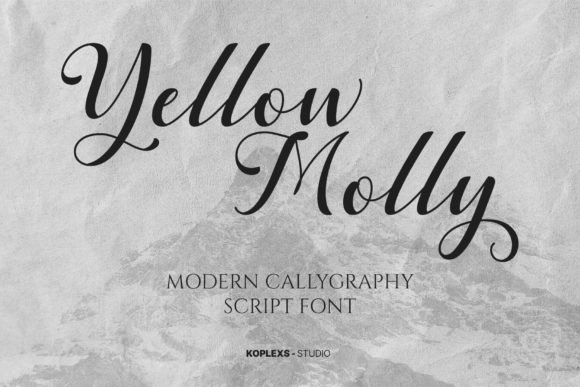
Finding a typeface that feels personal without sacrificing professionalism can be a real challenge. You want something with character, something that stands out from the crowd of sterile sans serifs and predictable serifs. Enter Yellow Molly, a beautiful and light handwritten font that manages to be both unique and incredibly versatile. Its flowing, natural strokes create an immediate sense of warmth and approachability, making it a go-to choice for projects that need a human touch. This isn't a font that shouts; it whispers with confidence, adding a layer of luxury and personality to any design it graces.
The visual appeal of Yellow Molly lies in its delicate balance. It has the spontaneity of authentic handwriting, with subtle variations in stroke width and a gentle, rhythmic flow. Yet, it maintains a remarkable level of clarity and legibility, even at smaller sizes. The characters connect gracefully, creating a cohesive look that feels both effortless and intentional. This modern typography asset avoids the over-the-top flourishes that can date a script font quickly. Instead, it offers a timeless elegance that works across a wide range of applications, from digital interfaces to high-end print collateral.
Where Yellow Molly Truly Shines
Understanding where a font works best is key to using it effectively. Yellow Molly is a versatile creative font, but its strengths are most pronounced in specific contexts. Think of it as your secret weapon for projects that need to connect on an emotional level.
Branding and Logo Design
For entrepreneurs and small business owners crafting a brand identity, Yellow Molly can be a powerful differentiator. It’s an excellent choice for a logo, especially for businesses in the lifestyle, beauty, wellness, boutique retail, or artisan food spaces. A logo set in Yellow Molly immediately communicates a brand that values craftsmanship, personal connection, and quality. It pairs beautifully with a clean sans serif for body text, allowing the logo to be the star while the supporting typography ensures readability across marketing materials.
Marketing and Social Media
In the fast-paced world of digital marketing, grabbing attention is half the battle. Yellow Molly excels here. Use it for impactful headlines on social media graphics, email newsletter banners, or website hero sections. Its handwritten style cuts through the noise of more generic fonts, making your message feel more personal and direct. For bloggers and content creators, it’s perfect for creating eye-catching Pinterest pins or Instagram stories that stand out in a crowded feed. The font’s lightness ensures it doesn’t overwhelm accompanying images or text blocks.
Publishing and Editorial Design
When it comes to editorial design, Yellow Molly adds a sophisticated, personal touch. It’s ideal for chapter titles, pull quotes, or section headings in magazines, lookbooks, or digital publications. It can bring a sense of intimacy to a personal blog or a curated newsletter. In packaging design, particularly for products like artisanal candles, specialty foods, or handmade cosmetics, this typeface elevates the unboxing experience, suggesting care and attention to detail before the customer even uses the product.
Practical Guidance for Using Yellow Molly
Choosing a font is just the first step. Using it well is what makes the difference. Here’s how to integrate Yellow Molly into your projects with confidence.
Evaluating Project Fit and Readability
Before you commit, ask yourself: does the personality of Yellow Molly align with my project’s goals? It’s a superb display font for headlines and short, impactful text. However, like most script and handwritten fonts, it’s not designed for long paragraphs of body copy. For extended reading, always pair it with a highly legible serif font or sans serif font. A good rule of thumb is to use Yellow Molly for no more than 15-20% of your total text area. Test it at the size you intend to use it—what looks perfect on a large poster might become a beautiful blur on a mobile screen.
Mastering Font Pairing
The right font pairing can make Yellow Molly sing. Its informal elegance provides a perfect counterpoint to more structured typefaces. For a classic, trustworthy look, try pairing it with a traditional serif font like Garamond or a modern serif like Playfair Display. For a clean, contemporary feel, combine it with a geometric sans serif like Montserrat or Lato. The contrast in structure will make both fonts more interesting and improve the overall visual hierarchy of your design. Always test your pairings in context to ensure the weights and sizes feel balanced.
Understanding Styles and Licensing
When you acquire a premium font like Yellow Molly, check what’s included. Does it come with stylistic alternates, ligatures, or multiple weights? These additional styles can provide valuable flexibility, allowing you to customize the look further for different applications. Furthermore, for any commercial project—whether it’s a client logo, a product for sale, or a monetized website—ensure you have the correct commercial font license. This is a non-negotiable part of professional practice that protects both you and the font’s creator. Reputable font marketplaces will always provide clear licensing information.
Ultimately, Yellow Molly is more than just a pretty typeface. It’s a strategic design asset that, when used thoughtfully, can significantly enhance audience engagement, strengthen brand recognition, and inject a much-needed dose of humanity into your creative work. Its true value lies in its ability to make your designs feel personal, premium, and unforgettable.